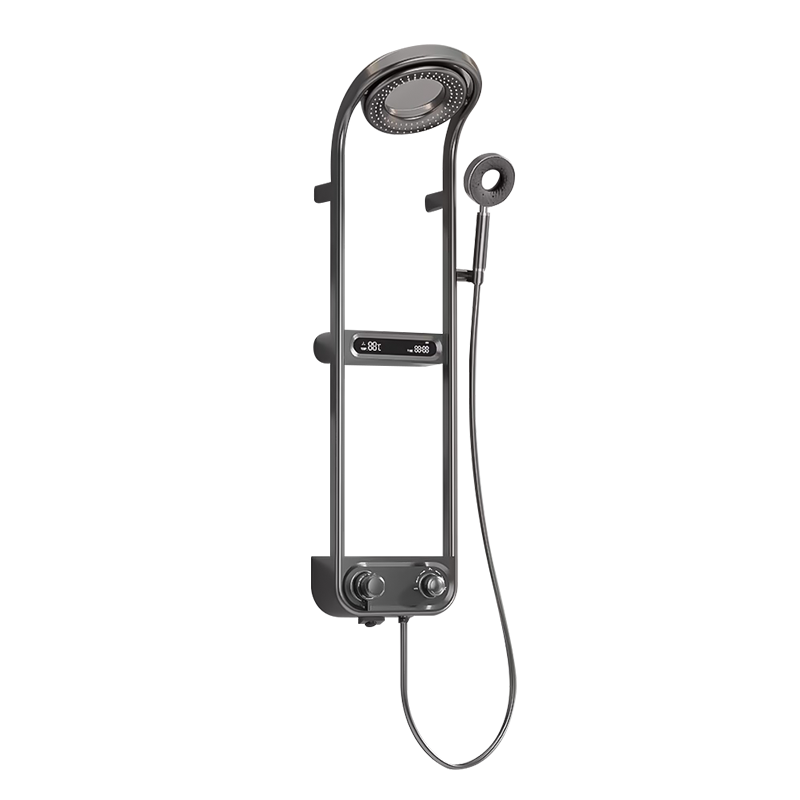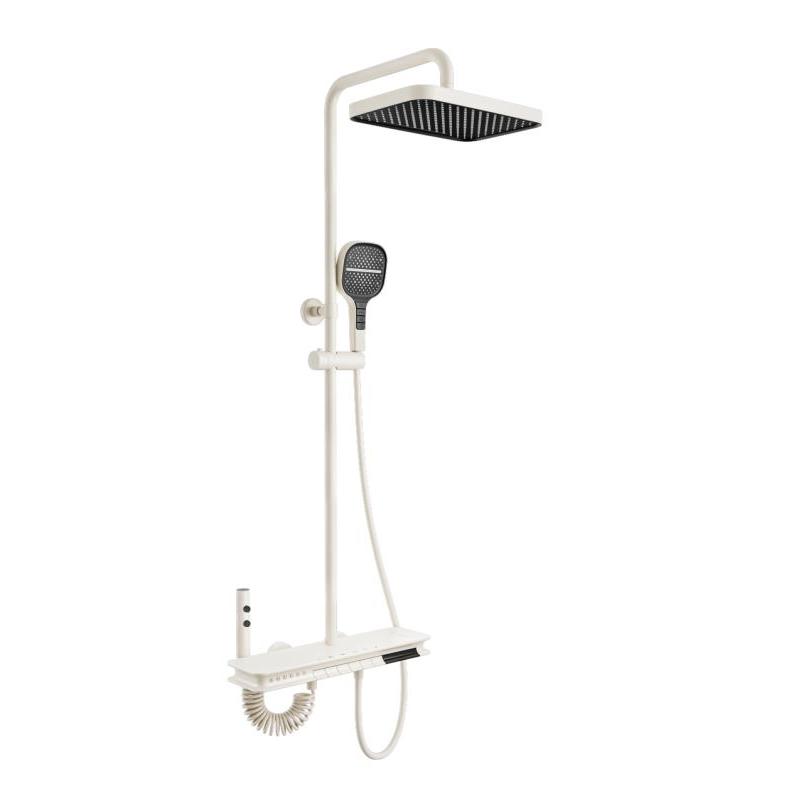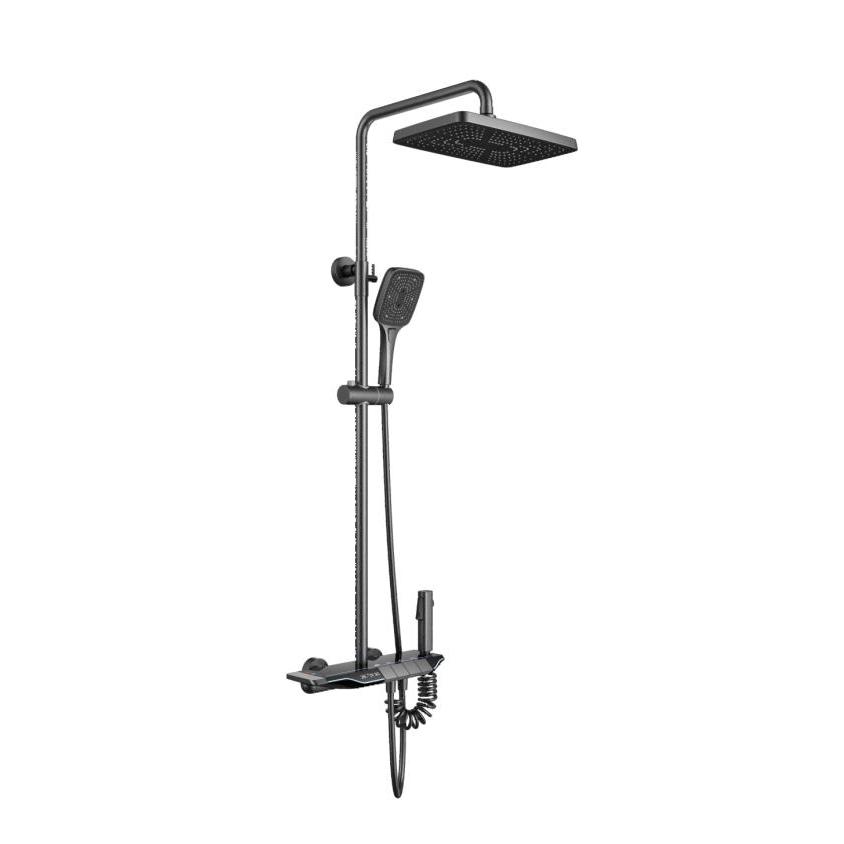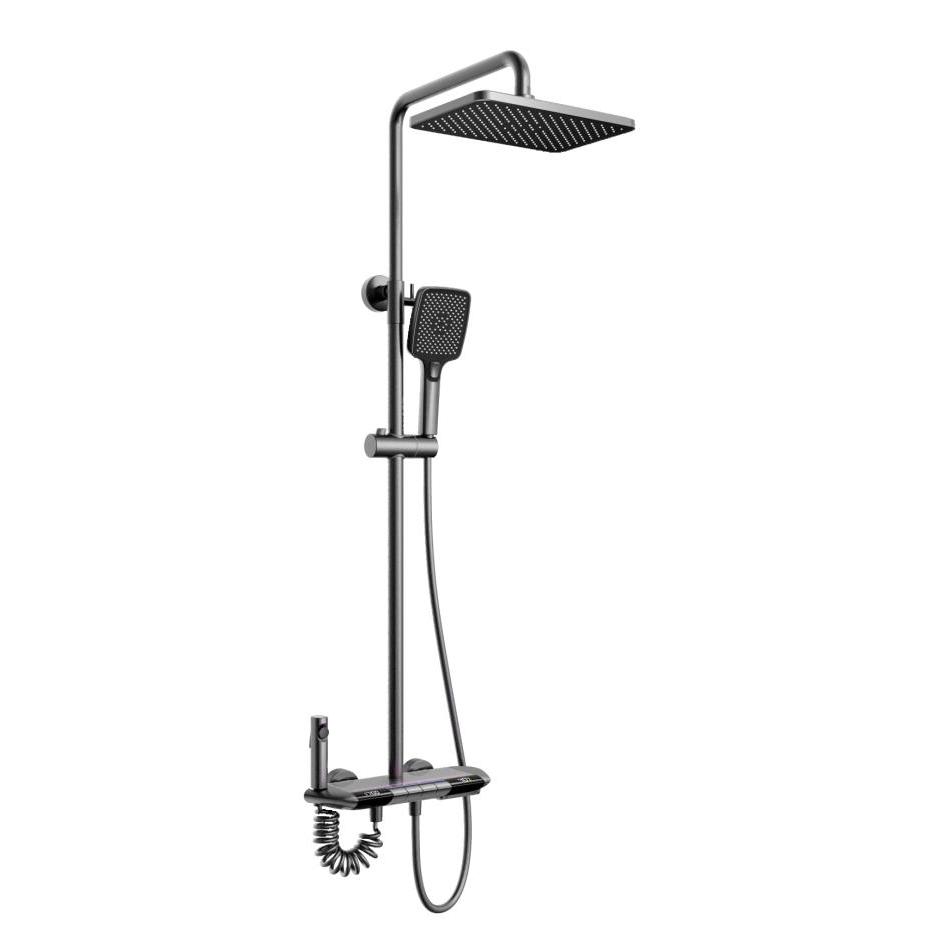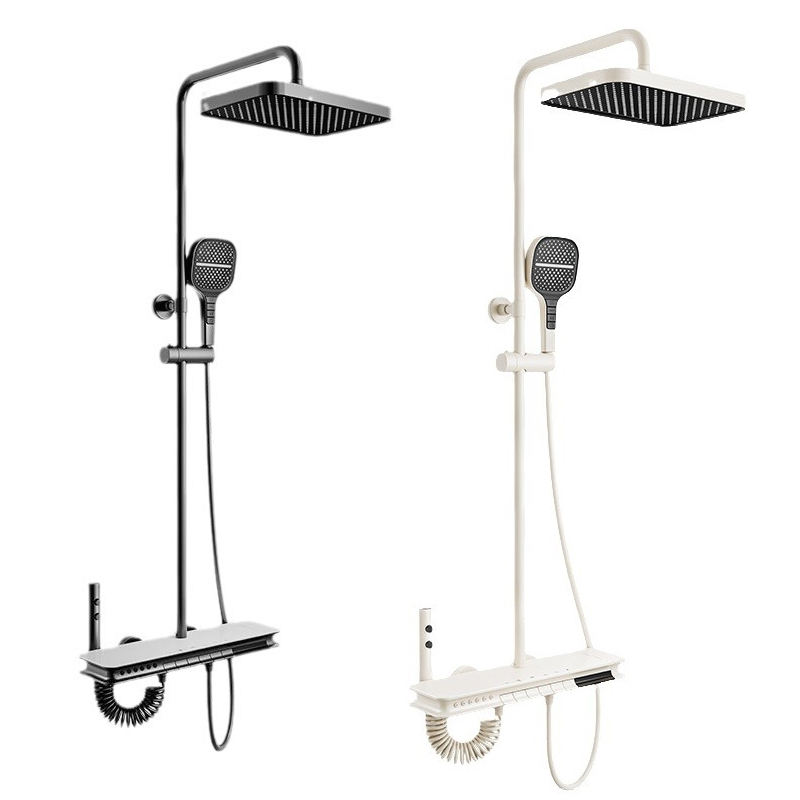
A digital display shower system uses electronic controls to regulate water temperature, flow, and outlet selection — replacing manual valve guesswork with a readable panel that shows you exactly what the water is doing before you step in. Most buyers start with the rainfall head size, the finish, or the number of spray modes. That is the wrong starting point — or, more precisely, those are the wrong first questions. The factors that determine whether a digital shower system performs well in your specific bathroom — temperature stability, outlet coordination, installation compatibility — are harder to see in a product photo but matter far more after year one of daily use.
This category covers thermostatic digital display shower sets, LED temperature-indicator shower faucets, intelligent multi-outlet shower systems with real-time temperature and flow readouts, and complete shower packages designed for residential bathroom upgrades and commercial specification. Each type serves a different use case, and choosing the right one depends on your plumbing configuration, usage frequency, and performance expectations — not just how it photographs in a staged bathroom.
The five digital display shower systems in this collection share a common technology foundation but differ in outlet configuration, display type, and available finishes. Core characteristics across the range include:
Understanding the installation context narrows product selection considerably. Digital display shower systems appear across several application categories, each with distinct performance priorities.
Residential master bathrooms: The most common installation. Homeowners remodeling a primary bathroom benefit most from thermostatic stability, particularly in households where multiple fixtures are used simultaneously. The LED or digital temperature readout adds daily convenience for families with children or older adults, and the multi-outlet configuration — overhead rainfall plus adjustable handheld — covers the widest range of user preferences within one system.
Hotel guest rooms and suites: Hospitality specifications require consistent guest experience across multiple rooms. Thermostatic digital shower systems deliver repeatable temperature performance and a premium visual aesthetic that aligns with mid-range and upscale hotel bathroom standards. The combination of a rainfall overhead and handheld outlet is a baseline expectation in this procurement segment, and digital display systems reinforce the sense of considered amenity quality.
Short-term rental properties: Property investors who want to differentiate listings and reduce guest complaints about inconsistent water temperature find practical value in thermostatic digital systems. A rainfall-plus-handheld configuration with a visible temperature display photographs well and contributes to perceived property quality — a real factor in booking decisions on platforms where bathroom photography is reviewed closely.
Spa and wellness facilities: Wellness facilities and gym changing rooms increasingly specify digital shower systems as part of premium amenity packages. Temperature precision and multi-mode outlet flexibility support varied user preferences within the same installation, and the digital readout aligns with the broader trend toward quantified wellness experiences in commercial bathroom environments.
Most buyers start with aesthetics — the finish, the rainfall head diameter, the display style. Those factors are real, but they are not what determines whether the system performs reliably after installation. A more useful evaluation order works from compatibility inward to features.
Step 1 — Confirm installation compatibility before anything else. Digital display shower systems that include electronic panels or dedicated display components may require an electrical rough-in that a pre-existing bathroom does not have. Hydroelectric display models — which generate power from water flow — avoid this requirement, but they have minimum flow rate thresholds that depend on your supply pressure. Contractors frequently discover mid-installation that a digital shower system needs a power outlet behind the wall that was not flagged at specification stage. That is an avoidable problem if you verify your plumbing and electrical rough-in situation before selecting a model. Similarly, if your home has shared water supply plumbing, installing a digital shower system without a compatible pressure-balancing or thermostatic valve can result in temperature shocks when other fixtures draw water simultaneously — a safety issue, not just a comfort one.
Step 2 — Decide whether thermostatic control is a requirement for your context. Thermostatic models include a dedicated cartridge that holds water temperature independent of supply pressure variation. They cost more and require more precise installation than pressure-only digital display models. If your household has simultaneous multi-fixture use, young children, or elderly users, thermostatic control is not optional — it is the feature that prevents scalding. Digital display without thermostatic control is a reasonable choice for a single-person household on a dedicated supply line with stable pressure. The display itself is genuinely useful either way — what I thought of as a tech gimmick, seeing the exact water temperature before stepping in, turned out to be the feature I referenced most often after realizing how much I was adjusting the valve every morning. The display is not novelty; it is feedback that changes how you interact with the product daily.
Step 3 — Match outlet count to your actual layout. Four-outlet systems offer more flexibility on paper. But if two of those outlets will never be used in your specific bathroom footprint — a tub spout in an enclosure without a bathtub, or a spray gun in a space too small to position it usefully — a three-outlet configuration is simpler to install, easier to maintain, and less likely to develop coordination issues. Overhead rainfall plus adjustable handheld is the most practical combination for most residential and hospitality applications.
Step 4 — Evaluate finish durability relative to your water conditions. Gun gray, matte black, and copper finishes look sharp and align with current US design preferences. The more relevant question is how the surface treatment holds up in your specific bathroom environment over two to three years. Solid brass base construction is the foundation; the PVD or electroplated finish layer is what interacts with daily water, steam, and cleaning products. Higher price points in this category typically reflect better surface treatment quality — not just a larger rainfall head. Higher price does not always mean better fit for every buyer, but in finish durability, the difference between tiers is real and measurable over time.
Xiamen Dayan Intelligent Technology Co., Ltd. (dayanbath.com) focuses on smart and digitally enhanced bathroom products for the US market — intelligent mirrors, digital display faucets, and digital shower systems — operating from a design and manufacturing base in Xiamen with B2B supply capability through Alibaba. Smart bathroom technology adoption in the US is accelerating, with digital shower systems and connected bathroom fixtures moving from luxury segment into mid-range residential renovation and hospitality specification as buyers become more familiar with the genuine functional value these products deliver.
The value of a digital display shower system is not the screen — it is that precise temperature management, multi-outlet control, and real-time water data are built into a product used daily. That is a practical upgrade. For B2B buyers specifying across multiple hotel rooms, rental units, or renovation projects, the relevant considerations are finish consistency across a procurement run, thermostatic performance reliability, and available technical documentation for installation and compliance review. Dayan Bath's product range is designed with these procurement requirements in mind, combining smart bathroom product specialization with the supply infrastructure to support volume orders for the US market.
 EN