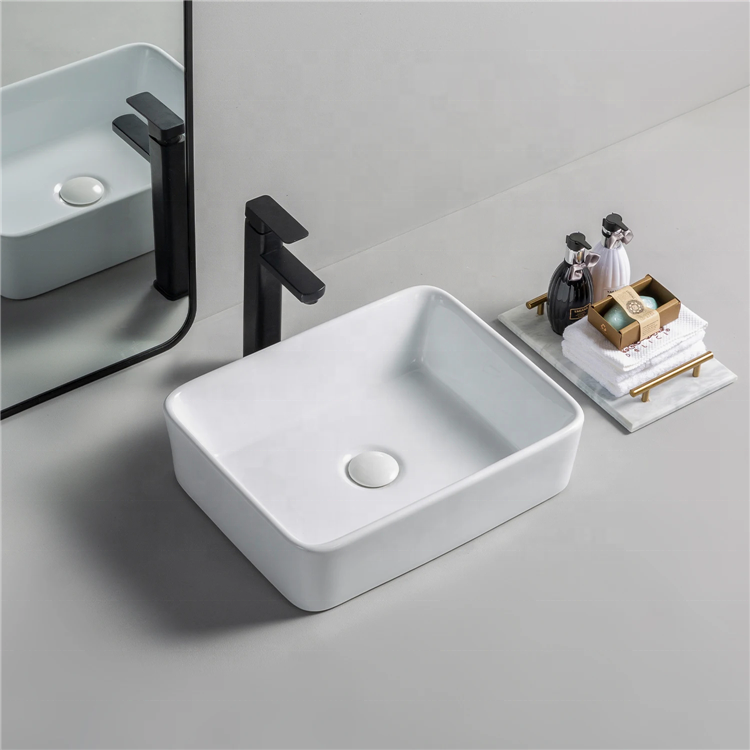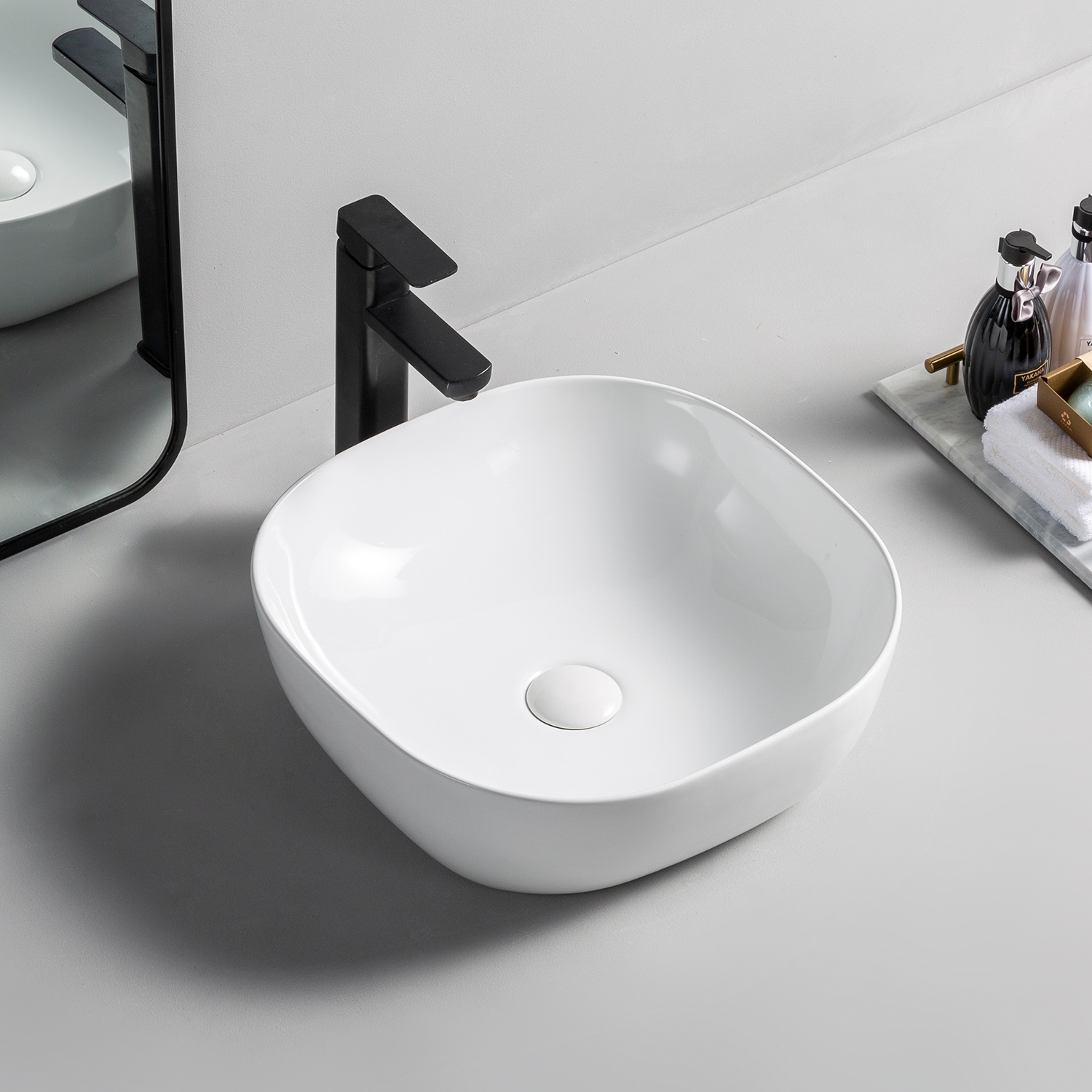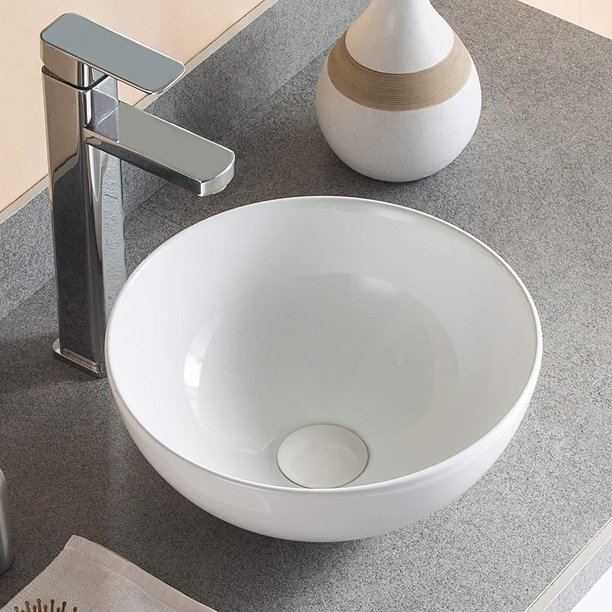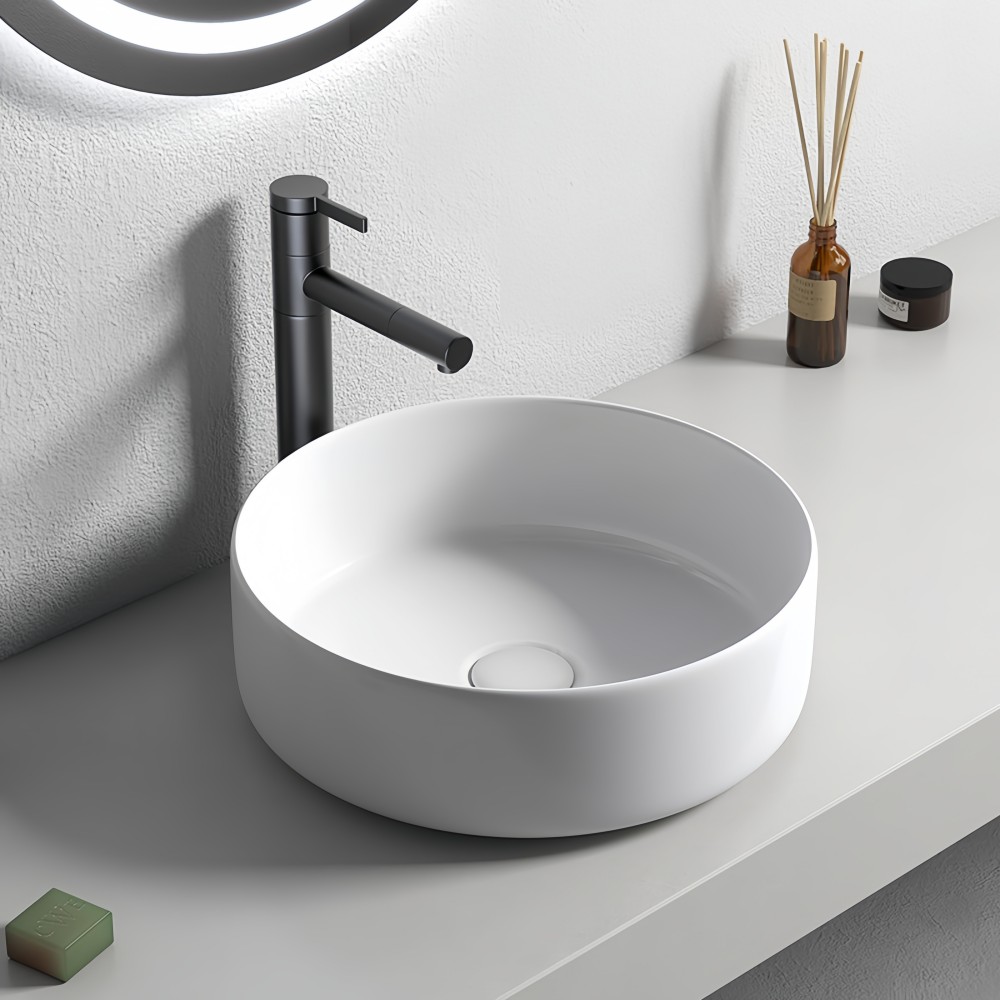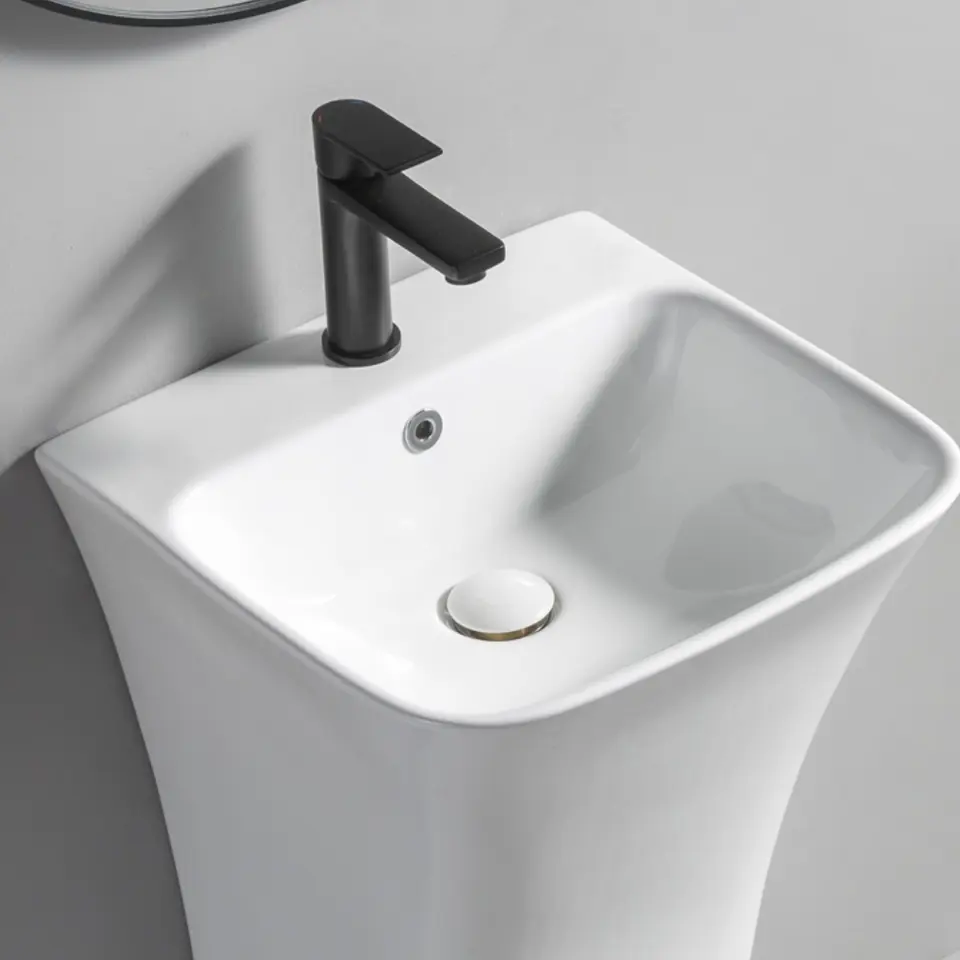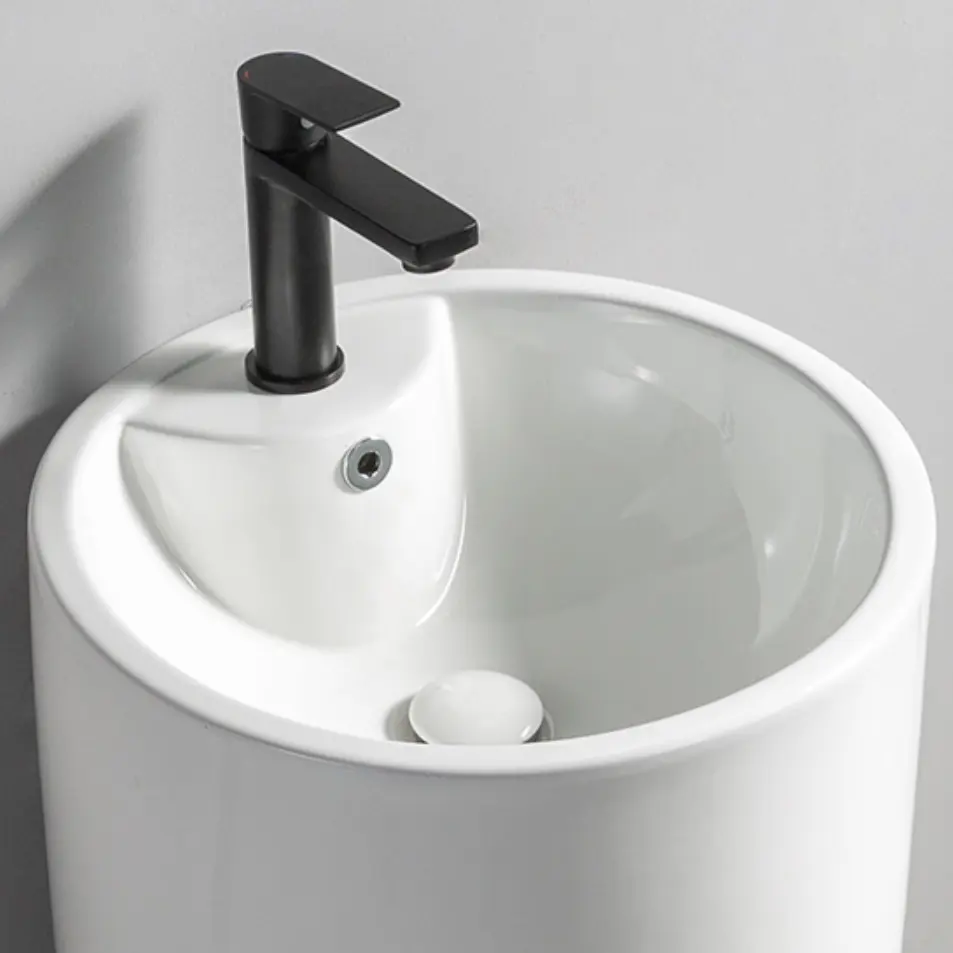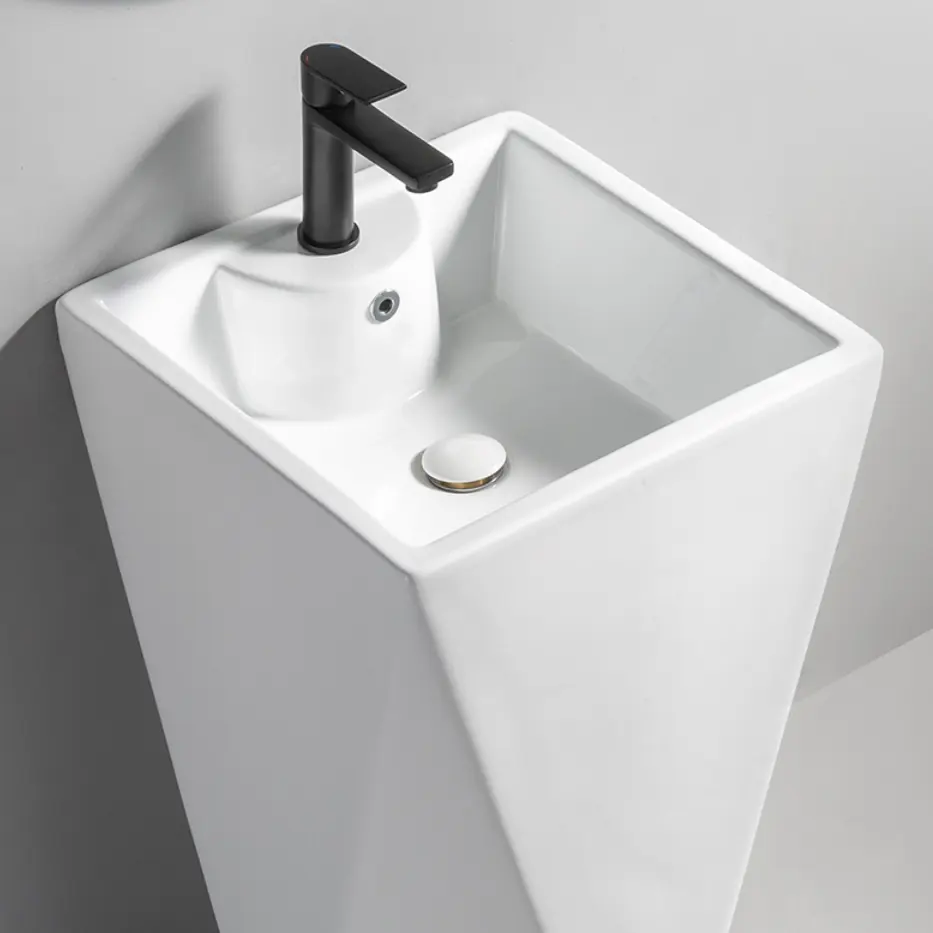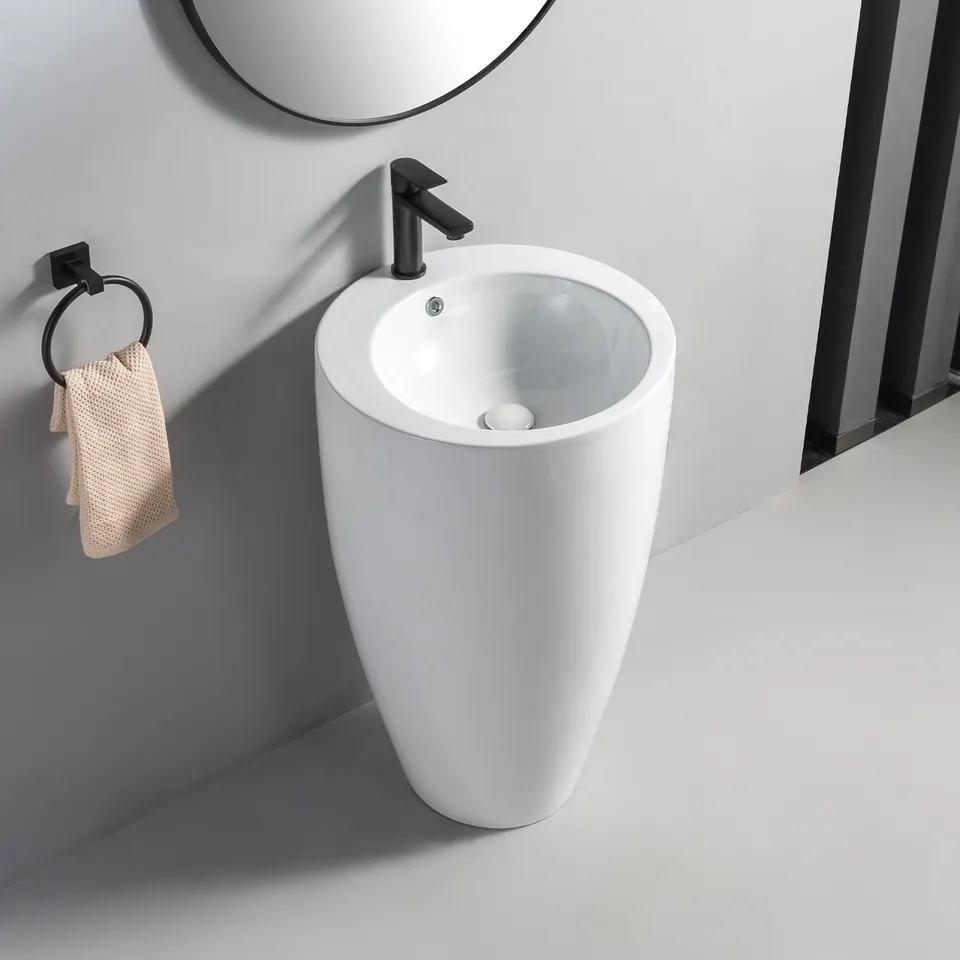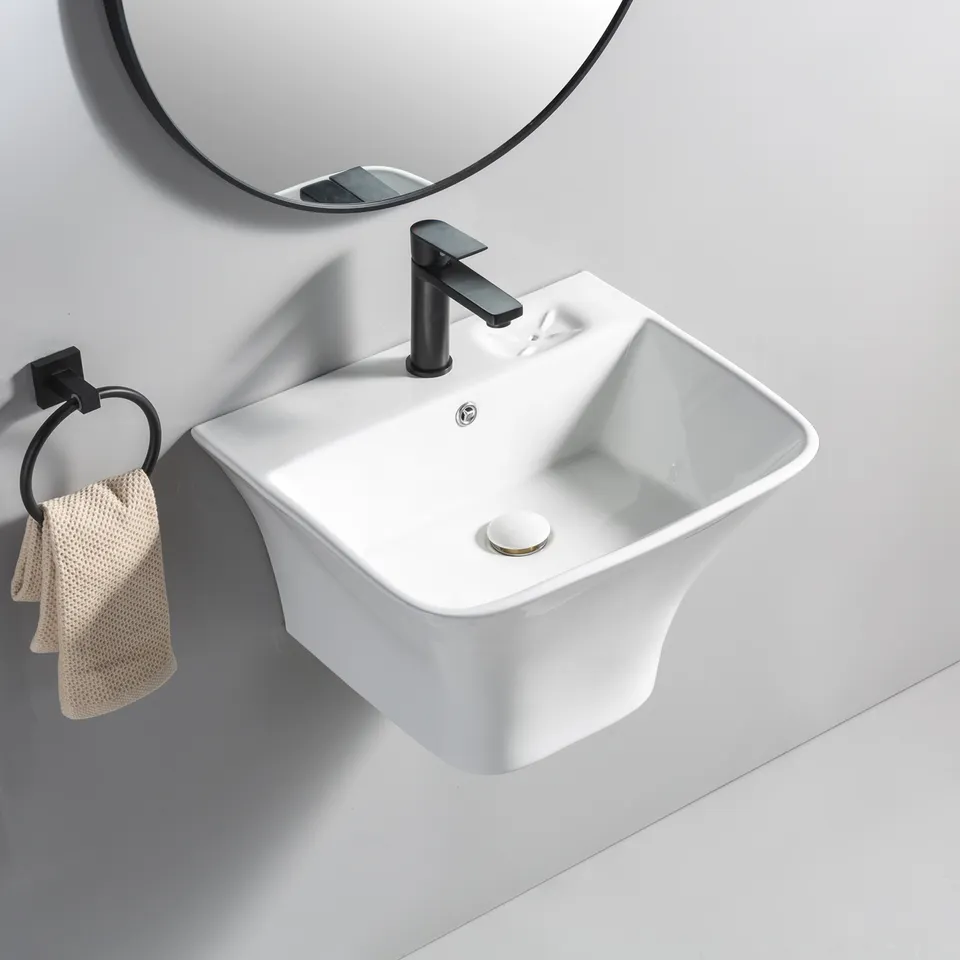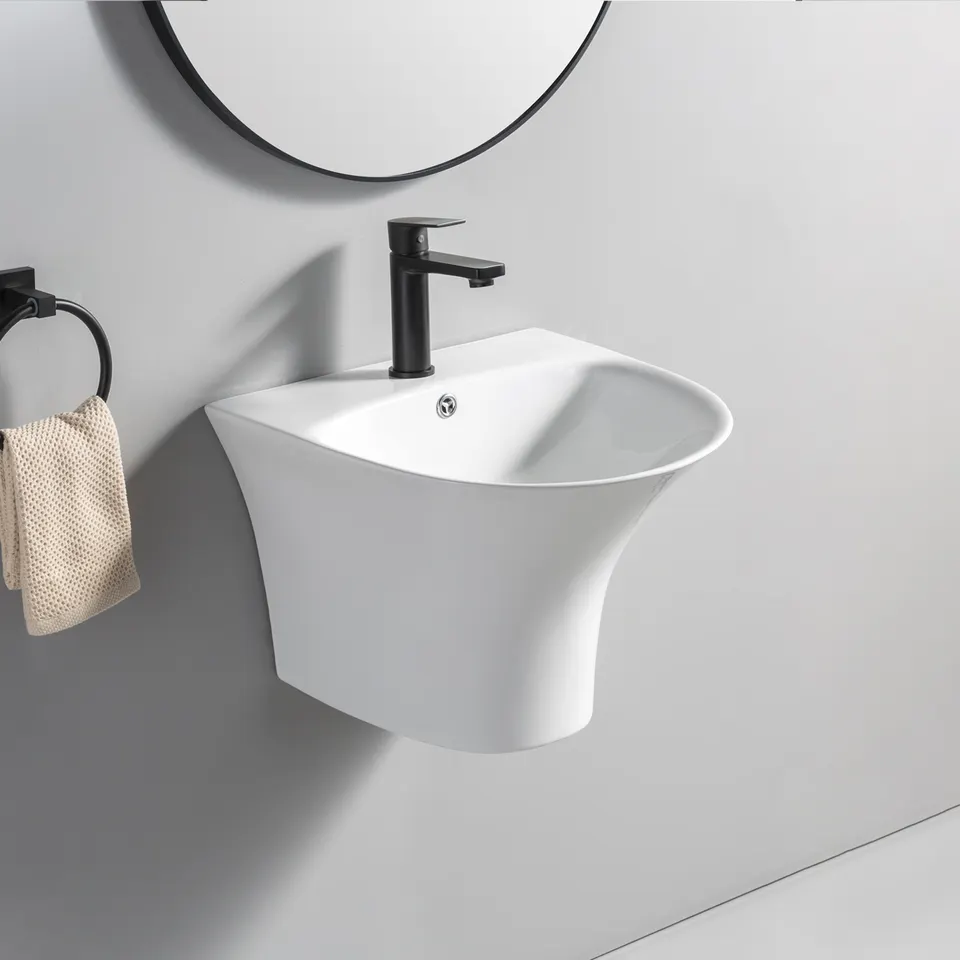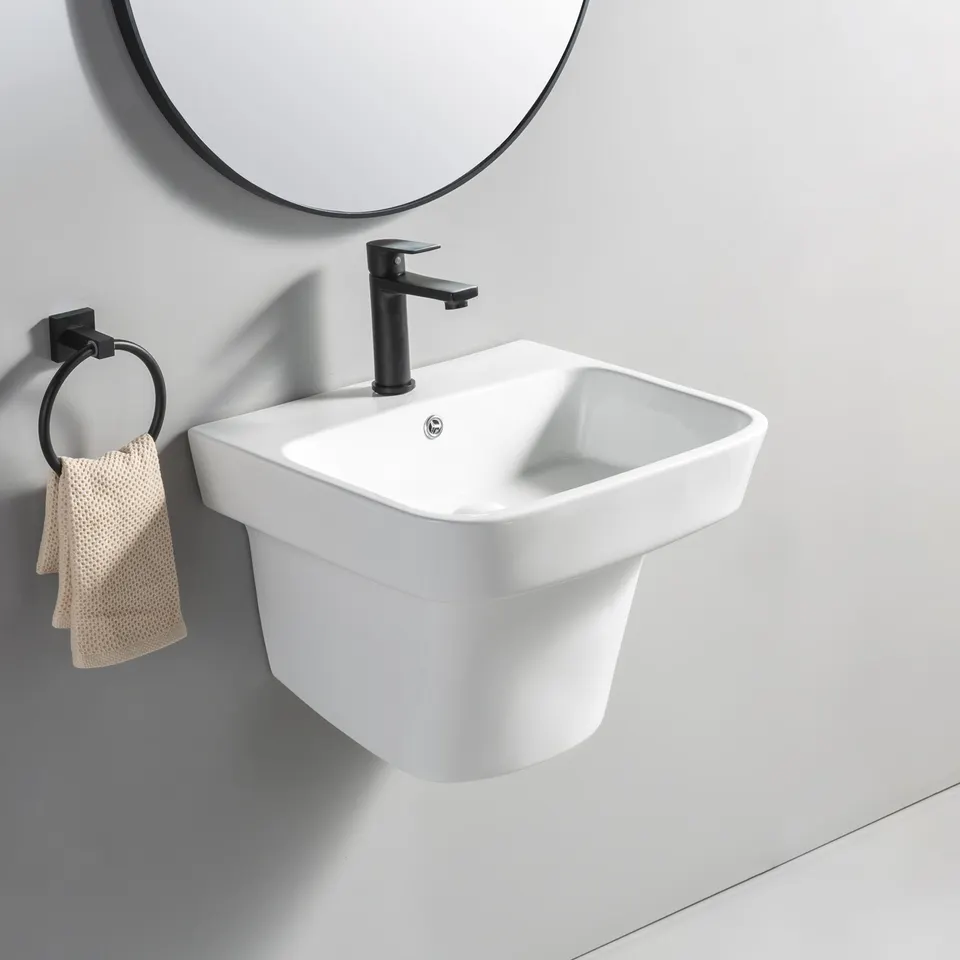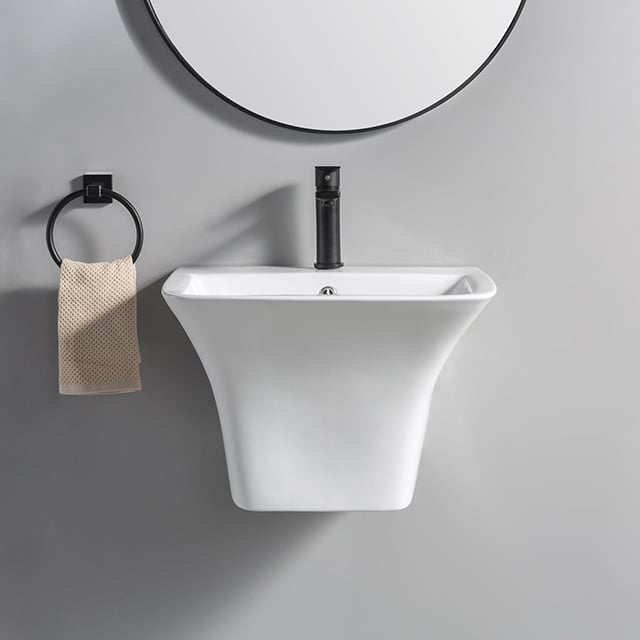
A wash basin is one of the most frequently specified bathroom fixtures across residential, hotel, and commercial projects. This category covers ceramic and vitreous china wash basin options in several installation types: countertop art basins (vessel sinks), pedestal basins, wall-hung basins, and wall-mount basins. Each type presents different space requirements, installation demands, and design outcomes — and understanding those differences matters before sourcing begins.
Most buyers approach wash basin selection by evaluating style first. The dimensions that determine whether a fixture actually fits the available rough-in, countertop depth, and wall structure are harder to assess from a product image — and getting them wrong is costly to correct after installation.
Porcelain and vitreous china are the dominant materials for the wash basin category in the US market, valued for smooth glazed surfaces, chemical resistance, and long-term durability. A quality ceramic wash basin glazed finish resists staining, scratching, and standard cleaning agents — relevant for both residential bathrooms and commercial environments where fixtures are cleaned daily. Surface durability varies with glaze quality, and requesting testing data from suppliers before placing bulk orders is a reasonable step.
Wash basin products in this category are specified across residential, hospitality, and commercial settings. In residential projects, countertop art and pedestal designs are standard choices for primary and guest bathrooms during renovation and new construction. Wall-hung and wall-mount styles are frequently chosen for cloakrooms, powder rooms, and compact apartments where floor area is at a premium.
In hotel and hospitality procurement, countertop art and pedestal wash basin designs are standard specification items for guest room bathrooms and suite renovations. Hospitality buyers typically prioritize glaze consistency across large orders, dimensional accuracy for fit-out coordination, and reliable lead times — all factors that affect project completion. Commercial washrooms often specify wall-mount round styles for their space efficiency and ease of floor maintenance.
The procurement context genuinely changes the relevant criteria. A wash basin suited to a luxury hotel suite renovation — where finish consistency across 50 units matters — requires different evaluation than a single residential replacement purchase where one buyer is primarily concerned with drain position and vanity fit.
Space and installation constraints typically define which wash basin types are viable before aesthetics enter the decision. Before choosing a wash basin, the question worth asking first is: does my rough-in position, drain configuration, and available wall or floor structure actually match this installation type? Here is a practical selection framework:
I'll be upfront — not all ceramic wash basin products perform equally over years of daily use, even when they appear similar in product images. Key quality indicators include: glaze surface smoothness (freedom from pinholes or surface crazing), color and tone consistency across a production batch, dimensional accuracy to specification, and water absorption rate. A lower water absorption rate indicates a denser, more durable ceramic body — the difference between a wash basin that maintains its finish over years of residential or commercial use and one that does not.
For commercial and hospitality buyers, surface durability and maintenance practicality typically matter more than initial visual impact in long-term value terms. A smooth, fully vitrified glaze cleans faster and accumulates less mineral deposit buildup — relevant in US regions with harder water supply. Higher-quality ceramic glazes also resist the micro-abrasion from daily cleaning that dulls lower-grade finishes over time.
Bathroom product purchasing decisions in the US often involve multiple stakeholders — homeowner, contractor, interior designer, and sometimes a plumber or project manager — each evaluating different wash basin attributes. For B2B buyers procuring wash basin inventory for wholesale distribution or project use, the evaluation framework extends beyond unit price to: production consistency across batches, export documentation and compliance capability, minimum order quantity flexibility, and lead time reliability.
Suppliers with established international trade capability and documented B2B export experience provide a verifiable baseline for wash basin buyer qualification before a first order is placed — relevant for US importers navigating product certification requirements and customs documentation for ceramic bathroom fixtures. Both standard stock selection and custom specification options are worth exploring when volume and project timelines align.
 EN